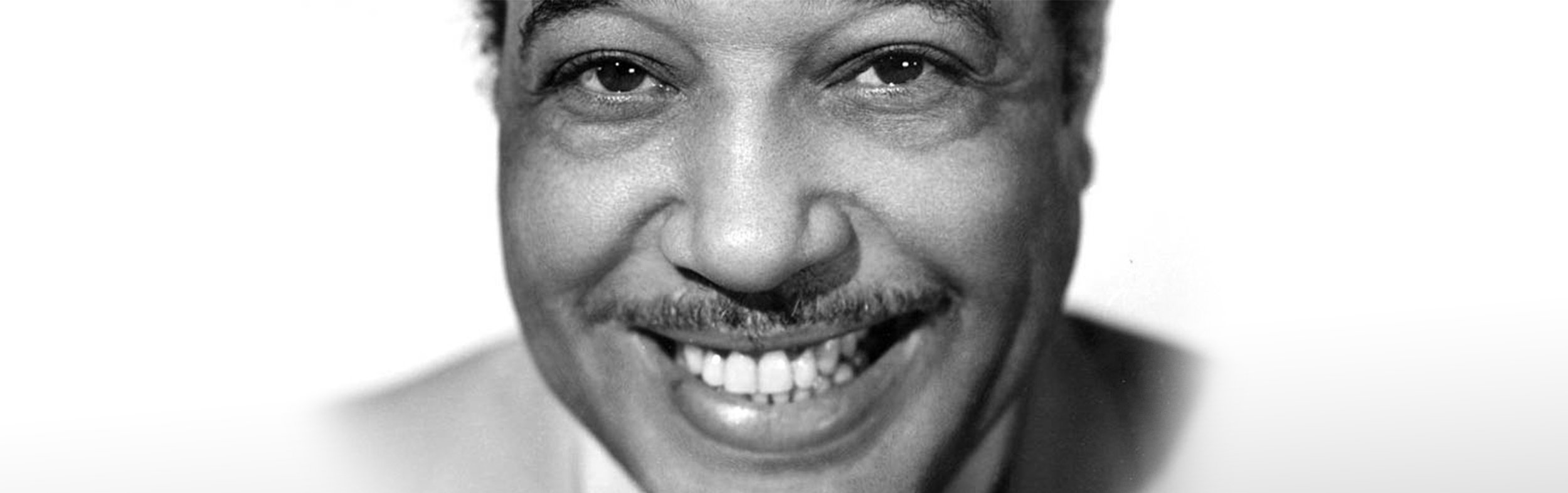
Duke Ellington
The achievements of Duke Ellington (1899-1974) are staggering. The pianist led the greatest of all jazz orchestras, in the opinion of many, without a break for half a century. Its ranks were filled with world-class soloists. Many graduated to successful careers of their own, while others remained for decades. And Ellington composed with his musicians in mind, tailoring some 1,500 short and long works to fit their individual musical personalities. He financed the orchestra though royalties from his recordings and compositions, as well as from box-office receipts, in order to afford himself the luxury of being able to hear his music performed almost from the moment of its conception.
“Other leaders,” Ellington biographer Stanley Dance once noted, “went looking for men who fitted a common predetermined pattern, which was why so many big bands tended to sound the same except when their stars were soloing. Ellington constantly sought out musicians who could give his imagination something new to work on and who also made his band sound different from any other.”
Edward Kennedy Ellington was born and raised in Washington, DC, and studied piano as a child, though he didn’t take it too seriously at first, preferring to play baseball. He wrote his first composition, “Soda Fountain Rag,” at age 15 and was soon playing piano at parties. “I learned that when you were playing piano,” he recalled years later, “there was always a pretty girl standing down at the bass clef end of the piano. I ain’t been no athlete since.”
By 1923, the always-suave pianist was playing New York City clubs with a band called the Washingtonians that included saxophonist Otto Hardwick and drummer Sonny Greer. Ellington became leader the following year, and the band’s unique style began to evolve, especially after growl trumpet specialist Bubber Miley joined in 1925. Under the guidance of manager Irving Mills, the band began recording prolifically in 1927 and was engaged for a four-year residency at the Cotton Club in Harlem, where Ellington provided music for the ever-changing floor shows.
The orchestra continued to flower on records, in motion pictures, and on tours to Europe and throughout the U.S. during the 1930s and reached what many feel was its creative pinnacle between 1939 and ’42, when tenor saxophonist Ben Webster and bassist Jimmie Blanton were both members. In 1941, with financial backing from friends in the film industry, Ellington composed the stage musical Jump for Joy in an attempt to counter the negative images of African-Americans that prevailed in both musical theater and motion pictures. Although it closed after a 12-week run in Los Angeles, Jump for Joy marked he beginning of an interest in creating extended works, many with socially significant themes, that was unabated for the rest of Ellington’s life.
Baritone saxophonist Harry Carney stayed with Ellington longer than any sideman, from 1927 until ’74. Alto saxophonist Johnny Hodges, the band’s most popular soloist, spent almost as long in the reed section, from 1928 to ’51 and again from 1955 to ’70. Among numerous other members of note were trumpeters Bubber Miley, Cootie Williams, Ray Nance, Cat Anderson, and Clark Terry; cornetist Rex Stewart; trombonists Joe Nanton, Juan Tizol, and Lawrence Brown; clarinetists Barney Bigard and Jimmy Hamilton; saxophonists Ben Webster and Paul Gonsalves; bassists Wellman Braud, Jimmy Blanton, and Oscar Pettiford; drummers Sonny Greer, Louie Bellson, and Sam Woodyard; and vocalists Ivie Anderson and Al Hibbler.
The most enduring songs written by Ellington include “Black and Tan Fantasy,” “Mood Indigo,” “It Don’t Mean a Thing (If It Ain’t Got That Swing),” “Sophisticated Lady,” “Solitude,” “In a Sentimental Mood,” “I Got It Bad (And That Ain’t Good),” “Do Nothin’ Till You Hear from Me” (aka “Concerto for Cootie”), “Don’t Get Around Much Anymore” (aka “Never No Lament”), “I’m Beginning to See the Light,” and “Satin Doll.” Among his extended works are Black, Brown, and Beige; The Liberian Suite, Such Sweet Thunder, The Far East Suite, The Latin American Suite, The Afro-Eurasian Eclipse, and three sacred concerts. Ellington’s theme song, “Take the ‘A’ Train,” was composed by his longtime associate, pianist Billy Strayhorn.
ALBUM
Una raccolta completa degli album di Duke Ellington, dalle prime produzioni ai successi più recenti.


Duke Ellington
The Duke Ellington Carnegie Hall Concerts, January 1943
Duke Ellington
Soul Call
Duke Ellington
The Best Of Early Ellington
Reissue
Duke Ellington
Duke Ellington's Finest Hour
ReissueElla Fitzgerald, Duke Ellington
The Ella Fitzgerald & Duke Ellington Cote D'Azur Concerts On Verve
Reissue
Duke Ellington
Live At The Whitney
Reissue
Ella Fitzgerald, Duke Ellington
Ella & Duke At The Cote d'Azur
Reissue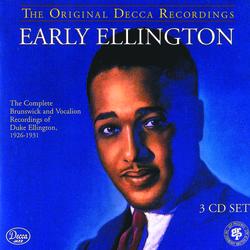
Duke Ellington
Early Ellington: The Complete Brunswick And Vocalion Recordings 1926-1931
Ella Fitzgerald, Duke Ellington
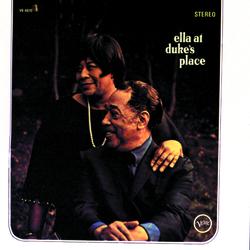
Ella At Duke's Place
Reissue
Duke Ellington
Orchestral Works
Duke Ellington, Johnny Hodges
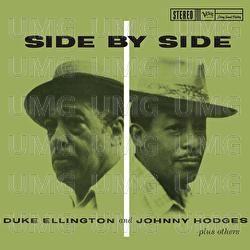
Side By Side
192kHz/24-bit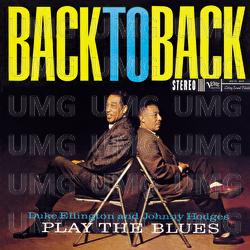
Duke Ellington, Johnny Hodges
Back To Back
192kHz/24-bit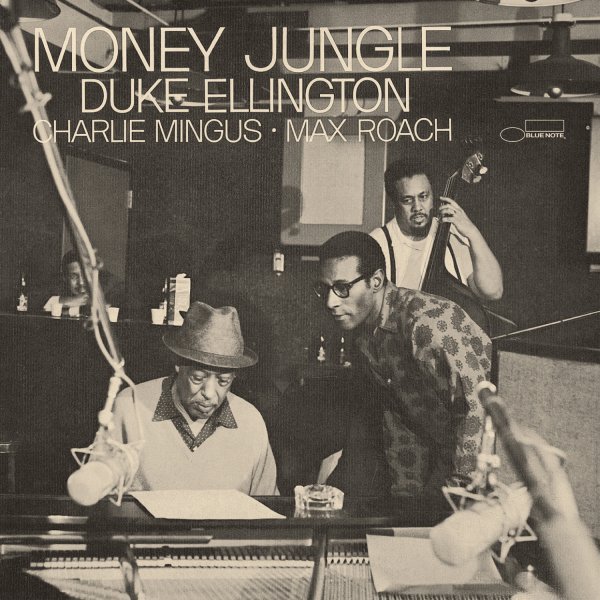
Duke Ellington
Money Jungle
Duke Ellington
Jazz Collection: Live! At The Newport Jazz Festival '59
Duke Ellington
Meets Coleman Hawkins / And John Coltrane
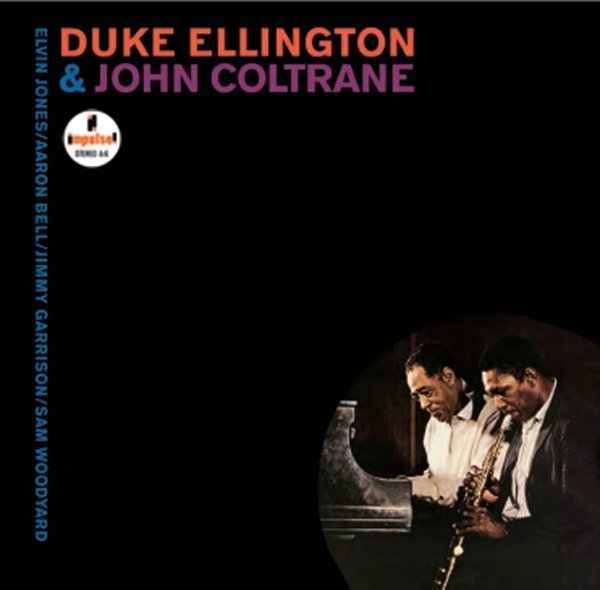
Duke Ellington, John Coltrane
Duke Ellington & John Coltrane
Duke Ellington
In The Uncommon Market
Duke Ellington
The Duke Ellington Carnegie Hall Concerts, December 1944
Duke Ellington
Carnegie Hall Concert, December 1947
Duke Ellington
At The Alhambra
Duke Ellington, Paul Gonsalves
Duke Ellington And His Orchestra Featuring Paul Gonsalves
RemasteredDuke Ellington
Jazz Profile: Duke Ellington
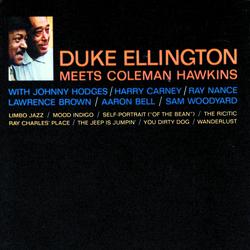
Duke Ellington, Coleman Hawkins
Duke Ellington Meets Coleman Hawkins
Duke Ellington
Jazz Masters
Duke Ellington, Charles Mingus, Max Roach
Money Jungle
Duke Ellington
70th Birthday Concert
Duke Ellington
The Best Of Duke Ellington
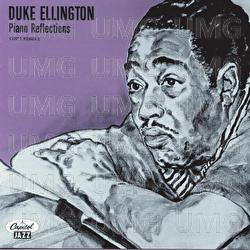
Duke Ellington
Piano Reflections
SINGOLI
I singoli più rappresentativi di Duke Ellington, tra successi storici e nuove uscite.
Duke Ellington
She Loves You/All My Loving/Eleanor Rigby
Medley/Live On The Ed Sullivan Show, March 1, 1970
Ella Fitzgerald, Duke Ellington
Do Nothing Till You Hear From Me
Live On The Ed Sullivan Show, March 7, 1965Ella Fitzgerald, Duke Ellington
It Don't Mean A Thing (If It Ain't Got That Swing)
Live On The Ed Sullivan Show, March 7,1965BIOGRAFIA
The achievements of Duke Ellington (1899-1974) are staggering. The pianist led the greatest of all jazz orchestras, in the opinion of many, without a break for half a century. Its ranks were filled with world-class soloists. Many graduated to successful careers of their own, while others remained for decades. And Ellington composed with his musicians in mind, tailoring some 1,500 short and long works to fit their individual musical personalities. He financed the orchestra though royalties from his recordings and compositions, as well as from box-office receipts, in order to afford himself the luxury of being able to hear his music performed almost from the moment of its conception.
“Other leaders,” Ellington biographer Stanley Dance once noted, “went looking for men who fitted a common predetermined pattern, which was why so many big bands tended to sound the same except when their stars were soloing. Ellington constantly sought out musicians who could give his imagination something new to work on and who also made his band sound different from any other.”
Edward Kennedy Ellington was born and raised in Washington, DC, and studied piano as a child, though he didn’t take it too seriously at first, preferring to play baseball. He wrote his first composition, “Soda Fountain Rag,” at age 15 and was soon playing piano at parties. “I learned that when you were playing piano,” he recalled years later, “there was always a pretty girl standing down at the bass clef end of the piano. I ain’t been no athlete since.”
By 1923, the always-suave pianist was playing New York City clubs with a band called the Washingtonians that included saxophonist Otto Hardwick and drummer Sonny Greer. Ellington became leader the following year, and the band’s unique style began to evolve, especially after growl trumpet specialist Bubber Miley joined in 1925. Under the guidance of manager Irving Mills, the band began recording prolifically in 1927 and was engaged for a four-year residency at the Cotton Club in Harlem, where Ellington provided music for the ever-changing floor shows.
The orchestra continued to flower on records, in motion pictures, and on tours to Europe and throughout the U.S. during the 1930s and reached what many feel was its creative pinnacle between 1939 and ’42, when tenor saxophonist Ben Webster and bassist Jimmie Blanton were both members. In 1941, with financial backing from friends in the film industry, Ellington composed the stage musical Jump for Joy in an attempt to counter the negative images of African-Americans that prevailed in both musical theater and motion pictures. Although it closed after a 12-week run in Los Angeles, Jump for Joy marked he beginning of an interest in creating extended works, many with socially significant themes, that was unabated for the rest of Ellington’s life.
Baritone saxophonist Harry Carney stayed with Ellington longer than any sideman, from 1927 until ’74. Alto saxophonist Johnny Hodges, the band’s most popular soloist, spent almost as long in the reed section, from 1928 to ’51 and again from 1955 to ’70. Among numerous other members of note were trumpeters Bubber Miley, Cootie Williams, Ray Nance, Cat Anderson, and Clark Terry; cornetist Rex Stewart; trombonists Joe Nanton, Juan Tizol, and Lawrence Brown; clarinetists Barney Bigard and Jimmy Hamilton; saxophonists Ben Webster and Paul Gonsalves; bassists Wellman Braud, Jimmy Blanton, and Oscar Pettiford; drummers Sonny Greer, Louie Bellson, and Sam Woodyard; and vocalists Ivie Anderson and Al Hibbler.
The most enduring songs written by Ellington include “Black and Tan Fantasy,” “Mood Indigo,” “It Don’t Mean a Thing (If It Ain’t Got That Swing),” “Sophisticated Lady,” “Solitude,” “In a Sentimental Mood,” “I Got It Bad (And That Ain’t Good),” “Do Nothin’ Till You Hear from Me” (aka “Concerto for Cootie”), “Don’t Get Around Much Anymore” (aka “Never No Lament”), “I’m Beginning to See the Light,” and “Satin Doll.” Among his extended works are Black, Brown, and Beige; The Liberian Suite, Such Sweet Thunder, The Far East Suite, The Latin American Suite, The Afro-Eurasian Eclipse, and three sacred concerts. Ellington’s theme song, “Take the ‘A’ Train,” was composed by his longtime associate, pianist Billy Strayhorn.
ULTIME NEWS
08.02.2021
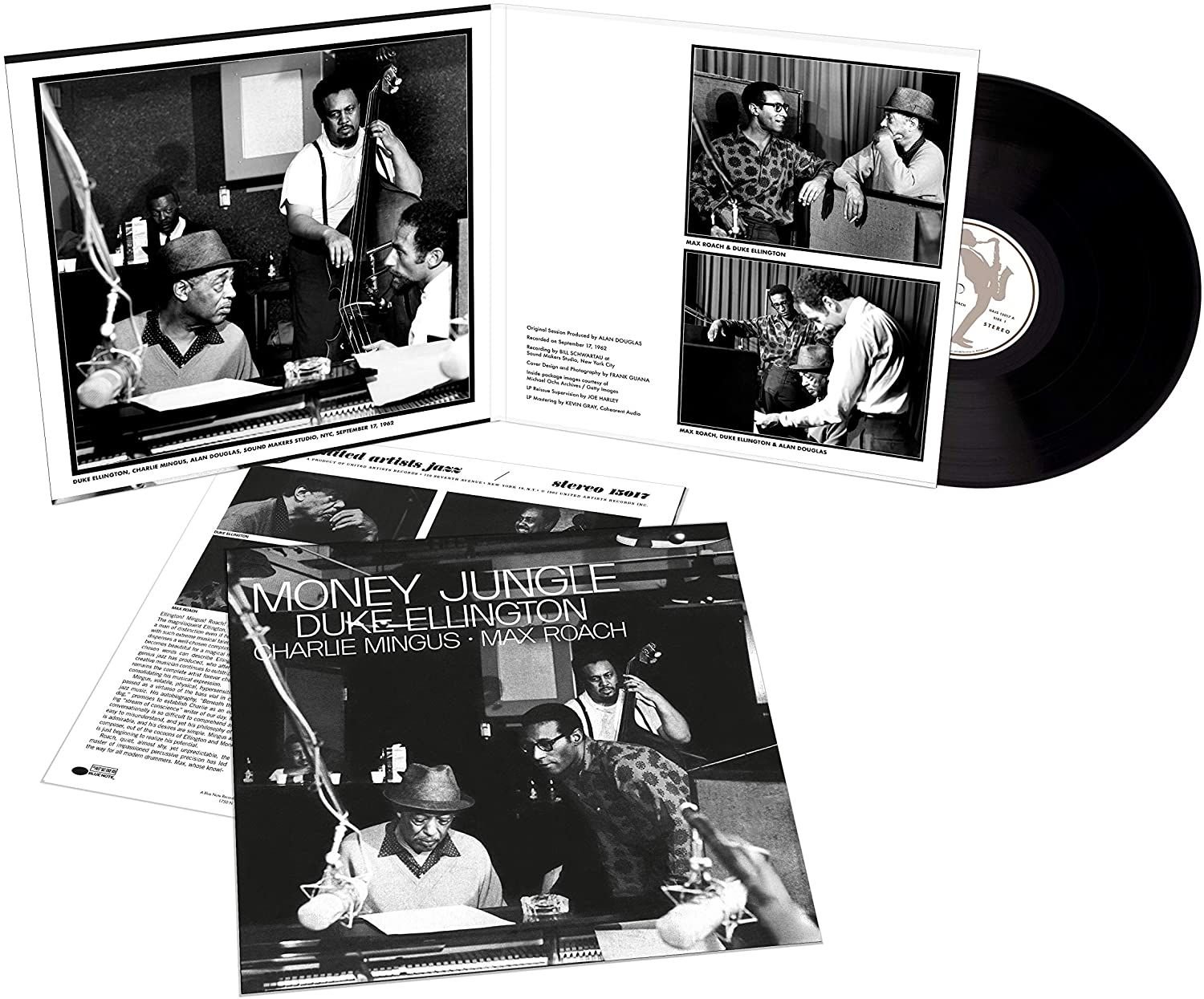
Top Jazz 2020: "Money Jungle" dell’incredibile trio Duke Ellington – Charles Mingus – Max Roach è ‘Ristampa dell'anno'
Top Jazz 2020: "Money Jungle" dell’incredibile trio Duke Ellington – Charles Mingus – Max Roach è ‘Ristampa dell'anno'. Questo il risultato del referendum annuale indetto presso la critica e i giornalisti del settore dalla storica testata Musica Jazz. Il titolo è stato riproposto nella serie Blue Note per audiofili ‘Tone Poet’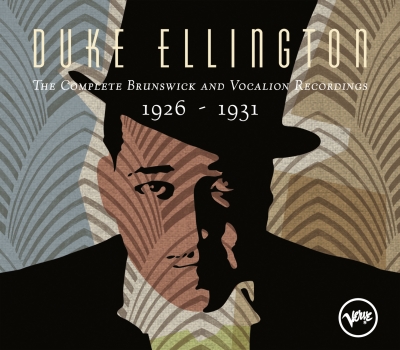
09.05.2013
DUKE ELLINGTON: un nuovo box per (ri)scoprire la nascita di un mito
La nascita di un mito. Nel 1926 nasceva il primo gruppo diretto da un compositore e pianista che avrebbe segnato, durante una carriera cinquantennale, la storia della musica del Novecento. Si chiamava Edward Ellington. Lo chiamavano Duke, per la sua studiata eleganza. Questo cofanetto, dopo tanti anni di assenza, torna a illustrare la storia dei suoi primi, straordinari anni. Dal Black & Tan Fantasy a Black Beauty, da east St. Louis Toodle-o, i grandi capolavori siglati da Ellington con i grandi solisti che hanno fatto il jazz degli anni ruggenti: Bubber Miley, Joe Nanton, Arthur Whestsel... il tutto con il libretto originale di 60 pagine dell´edizione del 1994. La grafica del cofanetto è stata interamente rinnovata. Il box fa parte di una campagna dedicati ai numerosi box realizzati da Universal Music Italia: cofanetti a prezzo eccezionale. Scopri i dettagli della campagna cliccando sulla copertina qua sotto per conoscere i dettagli!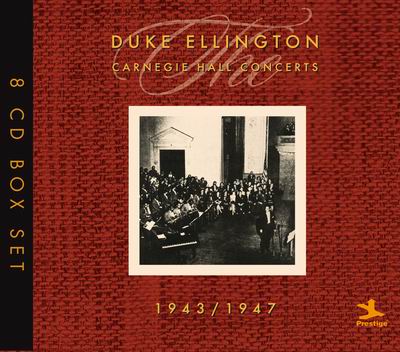
19.02.2010